GHK-Cu: The Copper Peptide Rewriting the Science of Skin & Longevity
GHK-Cu is a naturally occurring copper-binding tripeptide with an extraordinary range of biological effects — from collagen synthesis to gene expression remodelling.
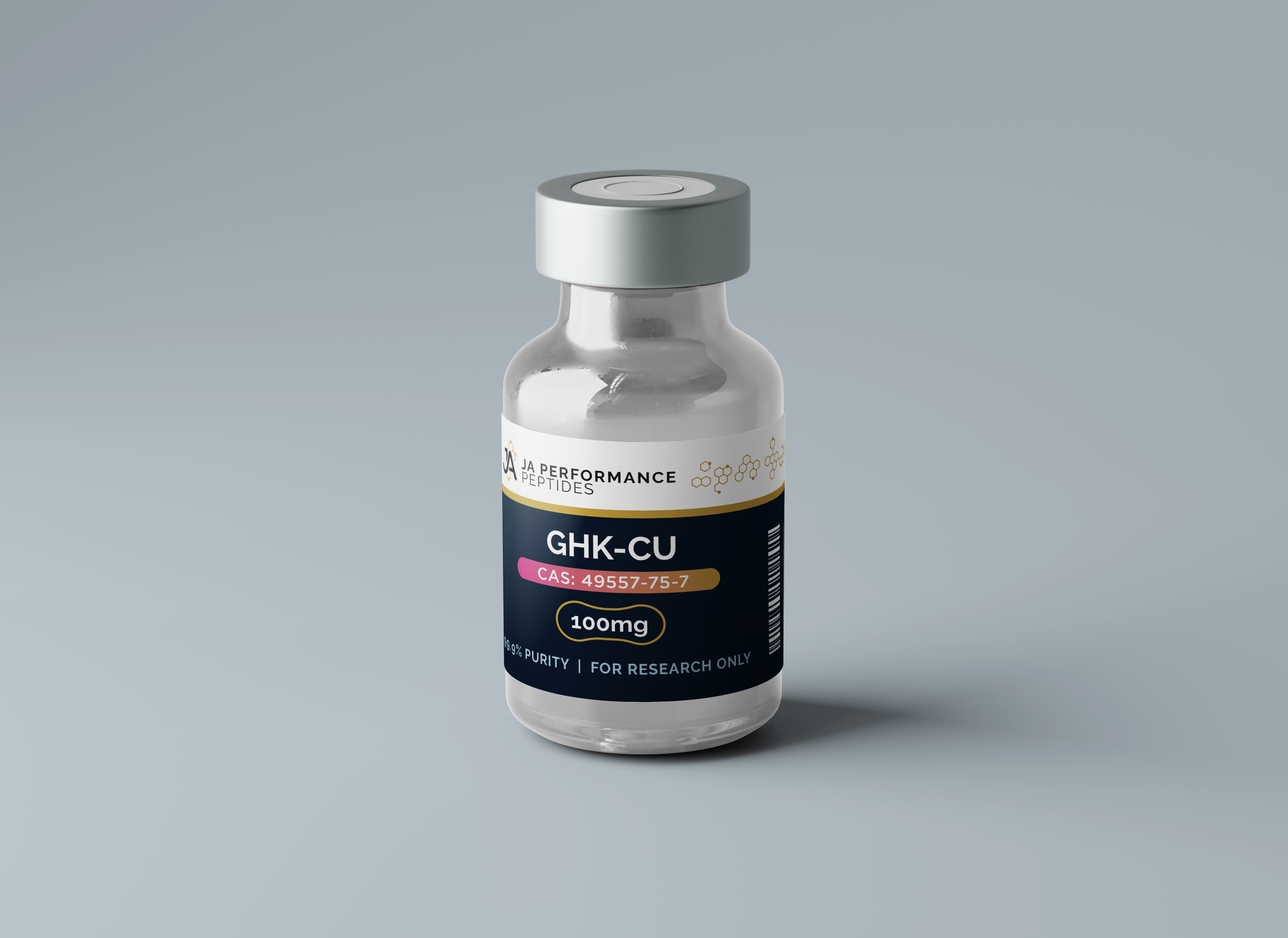
GHK-Cu (Glycyl-L-Histidyl-L-Lysine : copper(2+)) is a copper-binding tripeptide that was first isolated from human plasma in the 1970s. Decades of research have revealed an astonishing breadth of biological activity.
Gene Expression Effects
One of GHK-Cu's most remarkable properties is its ability to influence gene expression. Research by Dr. Loren Pickart and colleagues found GHK-Cu modulates over 4,000 human genes — resetting many to a more youthful pattern of expression. Genes associated with inflammation, oxidative stress, and cancer progression were downregulated, while genes related to tissue repair and immune function were upregulated.
Skin and Collagen
GHK-Cu's most well-documented applications relate to dermal repair:
- ·Stimulates collagen, elastin, and glycosaminoglycan synthesis
- ·Activates collagenase to remove damaged collagen
- ·Promotes dermal fibroblast proliferation
- ·Reduces UV-induced skin damage
- ·Improves wound contraction and re-epithelialization
Antioxidant Properties
GHK-Cu exhibits potent antioxidant activity by:
- ·Chelating free copper ions that catalyze oxidative reactions
- ·Inducing antioxidant enzymes including superoxide dismutase
- ·Reducing inflammation through NF-κB pathway modulation
Systemic Effects
Beyond skin, research has explored GHK-Cu's role in:
- ·Lung tissue protection and COPD-related pathways
- ·Nerve regeneration
- ·Hair growth stimulation
- ·Bone density maintenance
Application Routes in Research
GHK-Cu has been studied via topical application (cream/serum formulations) as well as subcutaneous injection. Topical concentrations range widely in cosmetic research. Injectable research typically uses very small doses given the peptide's high potency — see the GHK-Cu dosage guide for reconstitution math and week-by-week injection dosing charts.
Shop GHK-Cu or explore the Longevity Protocol for a research framework combining GHK-Cu with other longevity-focused peptides.
Note: GHK-Cu is sold strictly for research purposes. Not for human use.