NAD+ Precursors and Peptides: What Longevity Research Actually Shows
NAD+ decline is one of the most studied hallmarks of aging. Here's how peptides and NAD+ precursors are being researched together to address cellular energy, DNA repair, and lifespan extension.
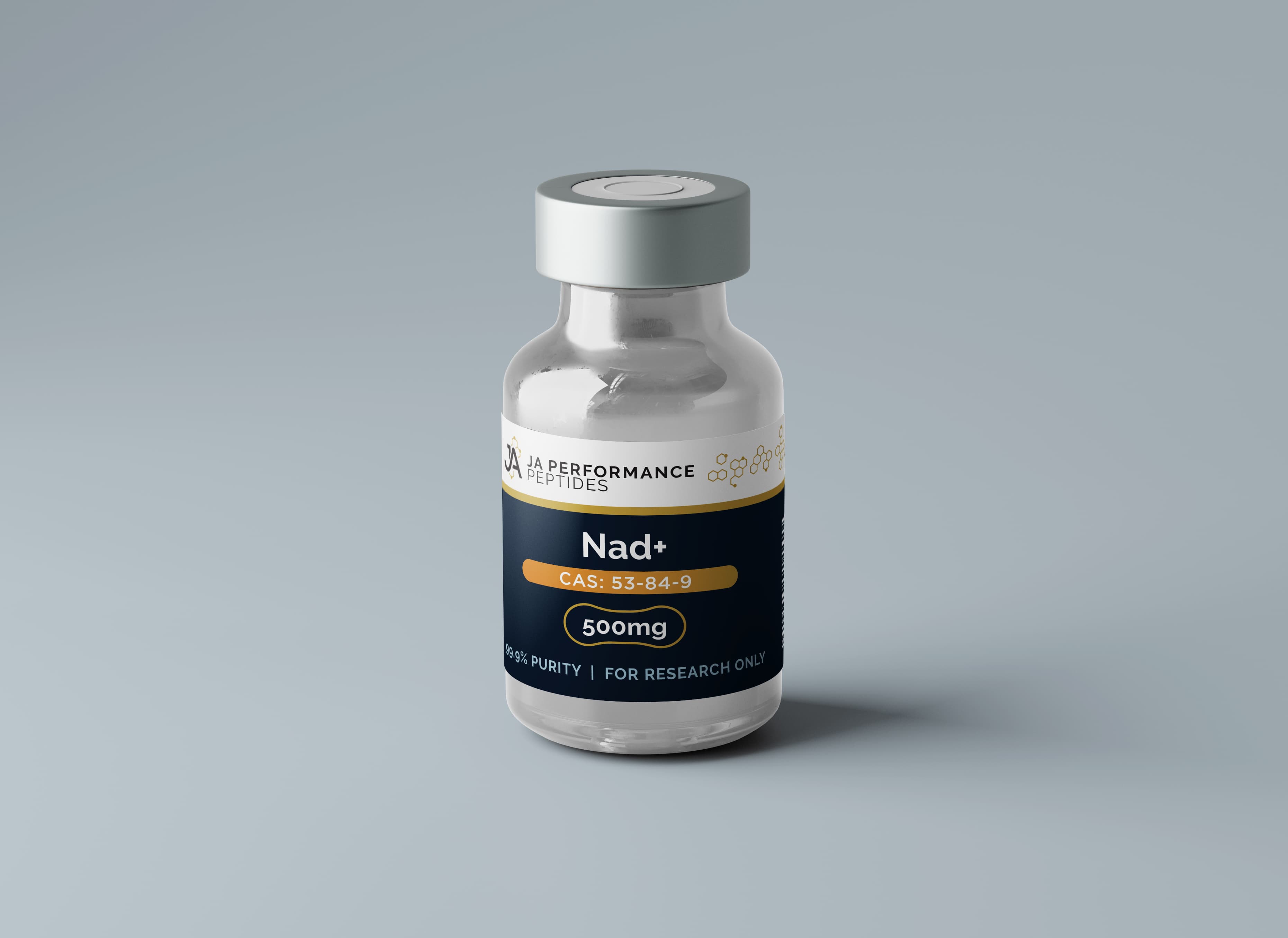
Nicotinamide adenine dinucleotide (NAD+) is a coenzyme found in every living cell, essential for energy metabolism, DNA repair, and the activity of sirtuins — a family of proteins implicated in aging and longevity. NAD+ levels decline significantly with age, and restoring them has become one of the most active areas of longevity research.
Why NAD+ Declines With Age
Several factors drive age-related NAD+ depletion:
- ·CD38 upregulation — an enzyme that consumes NAD+ increases with age and inflammation
- ·PARP activation — DNA damage repair enzymes consume NAD+ at high rates
- ·Reduced biosynthesis — the efficiency of NAD+ salvage pathways declines over time
- ·Chronic inflammation — inflammatory signalling accelerates NAD+ consumption
NAD+ Precursors in Research
The two most studied NAD+ precursors are:
NMN (Nicotinamide Mononucleotide)
NMN is a direct precursor to NAD+ and enters cells via the Slc12a8 transporter. Animal studies have shown NMN supplementation restores NAD+ levels, improves insulin sensitivity, and extends healthy lifespan in mice.
NR (Nicotinamide Riboside)
NR is converted to NMN before becoming NAD+. Multiple human trials have confirmed its ability to raise blood NAD+ levels. Ongoing trials are investigating effects on muscle function, cognitive decline, and cardiovascular health.
Peptides That Interact With NAD+ Pathways
Several peptides are being studied alongside NAD+ precursors due to overlapping mechanisms:
Epithalon (Epitalon)
A tetrapeptide (Ala-Glu-Asp-Gly) derived from the pineal gland protein epithalamin. Research has shown:
- ·Telomere lengthening in human somatic cells
- ·Activation of telomerase — the enzyme responsible for adding telomere repeats
- ·Extension of lifespan in animal models
- ·Normalization of melatonin production in aging subjects
GHK-Cu
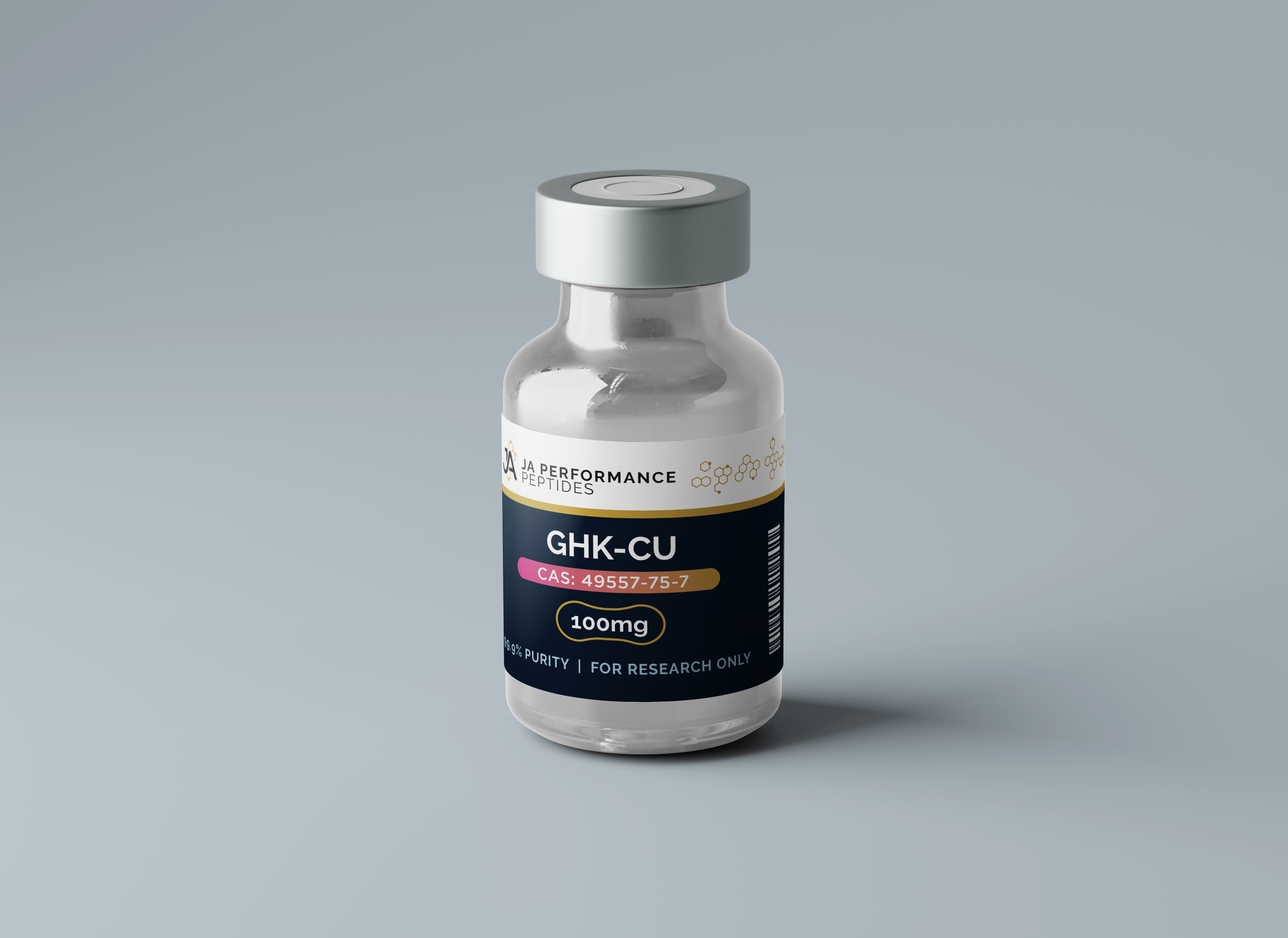
Beyond its skin benefits, GHK-Cu activates genes involved in mitochondrial biogenesis and antioxidant defense — pathways that overlap significantly with NAD+-driven sirtuin activity.
BPC-157
Research suggests BPC-157 interacts with nitric oxide pathways and may support mitochondrial function under conditions of oxidative stress.
Sirtuin Activation and the NAD+ Connection
Sirtuins (SIRT1–SIRT7) are NAD+-dependent deacetylases that regulate gene expression in response to nutrient availability and stress. When NAD+ rises:
- ·SIRT1 activates FOXO transcription factors linked to stress resistance
- ·SIRT3 improves mitochondrial efficiency
- ·SIRT6 enhances DNA double-strand break repair
This is why NAD+ restoration is considered a potential upstream intervention for multiple hallmarks of aging simultaneously.
Current Research Landscape
Human trials of NMN and NR are ongoing, with promising early data on muscle NAD+ repletion, metabolic markers, and cognitive function in older adults. Peptide research in longevity remains primarily preclinical but is accelerating rapidly.
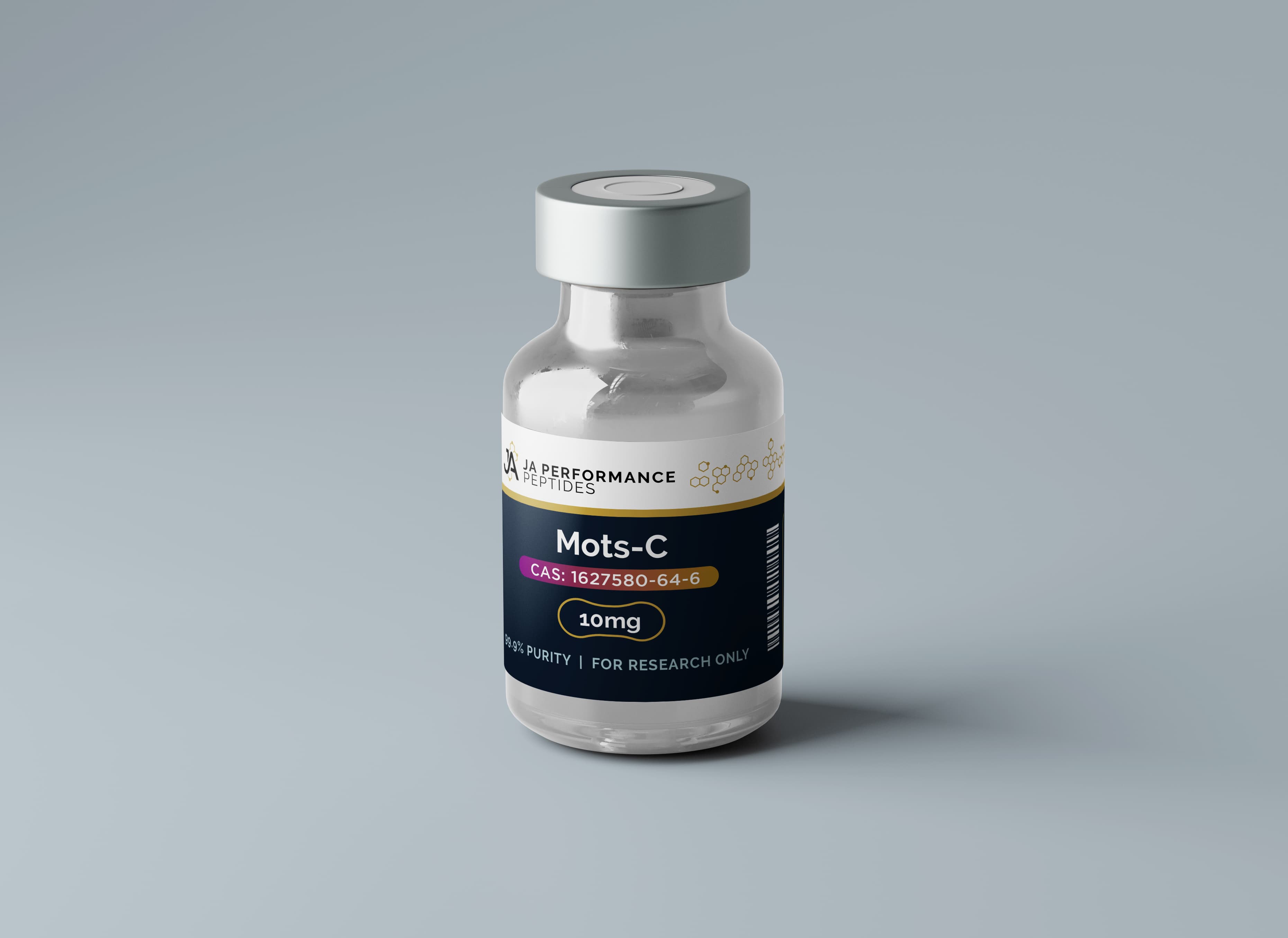
Shop GHK-Cu and MOTS-c — two of the most studied longevity peptides — or explore the Longevity Protocol for a combined research framework.
Note: All compounds discussed are sold strictly for research purposes. Not for human use.