Peptide Cycling: When to Run, Rest, and Stack in Research Protocols
Continuous peptide administration is not always optimal — receptor desensitization, feedback suppression, and diminishing returns are all well-documented. Here's how researchers approach cycling strategies.
Continuous peptide administration is a common starting assumption in research protocols — but for many compounds, it is not the optimal approach. Receptor downregulation, pituitary feedback suppression, tachyphylaxis, and plain diminishing returns have all been documented with extended continuous administration of several peptides. Understanding when to cycle, rest, and stack requires looking at each compound's mechanism individually.
Why Cycling Matters
The case for cycling varies by compound class:
Receptor desensitization: GLP-1 receptor agonists like Retatrutide show reduced receptor sensitivity with prolonged continuous exposure. Clinical trial protocols use dose escalation schedules partly to manage this.
Hypothalamic-pituitary feedback suppression: GHRH analogues like Tesamorelin stimulate endogenous GH release. Continuous administration risks blunting the natural pulsatile GH rhythm. Research protocols often include off-periods to allow the HPG axis to reset.
Diminishing marginal returns: Some peptides show front-loaded efficacy — the most significant effects occur early in a research protocol. Extended administration past a certain point adds cost without proportional benefit.
Practical logistics: Lyophilized peptides have a limited reconstituted shelf life (typically 30 days refrigerated). Cycling naturally aligns with vial use cycles.
Compound-Specific Cycling Considerations
BPC-157
BPC-157 does not involve receptor desensitization in the way GLP-1 agonists do. Its primary mechanisms (VEGFR2 upregulation, FAK-paxillin activation) are not believed to produce significant tachyphylaxis.
Research approach: BPC-157 is commonly studied in defined protocol windows — typically 4–12 weeks for acute injury repair research, or ongoing for systemic GI/gut research. There is no strong preclinical evidence requiring mandatory off-periods, but most researchers structure protocols around specific healing endpoints rather than open-ended continuous administration.
TB-500
TB-500 is frequently studied with a loading/maintenance structure: a higher-frequency dosing period early in the protocol followed by reduced frequency. This is common in preclinical tendon and cardiac repair models.
Research approach: Many protocols use a 4–6 week loading phase followed by a 2–4 week maintenance phase, then a rest period before reassessment. This mirrors the biological healing timeline in most acute injury models.
Tesamorelin
Tesamorelin has one of the stronger arguments for structured cycling. As a GHRH analogue, continuous use suppresses baseline GHRH release through negative feedback. Clinical data from the DEFINE trials used continuous dosing, but researchers studying long-term effects often include off-periods.
Research approach: Common protocol structures use 12–24 week active periods followed by 4–8 week rest periods. The primary observable in most research is visceral fat area — which returns toward baseline after discontinuation, making it a useful cycling biomarker.
Retatrutide
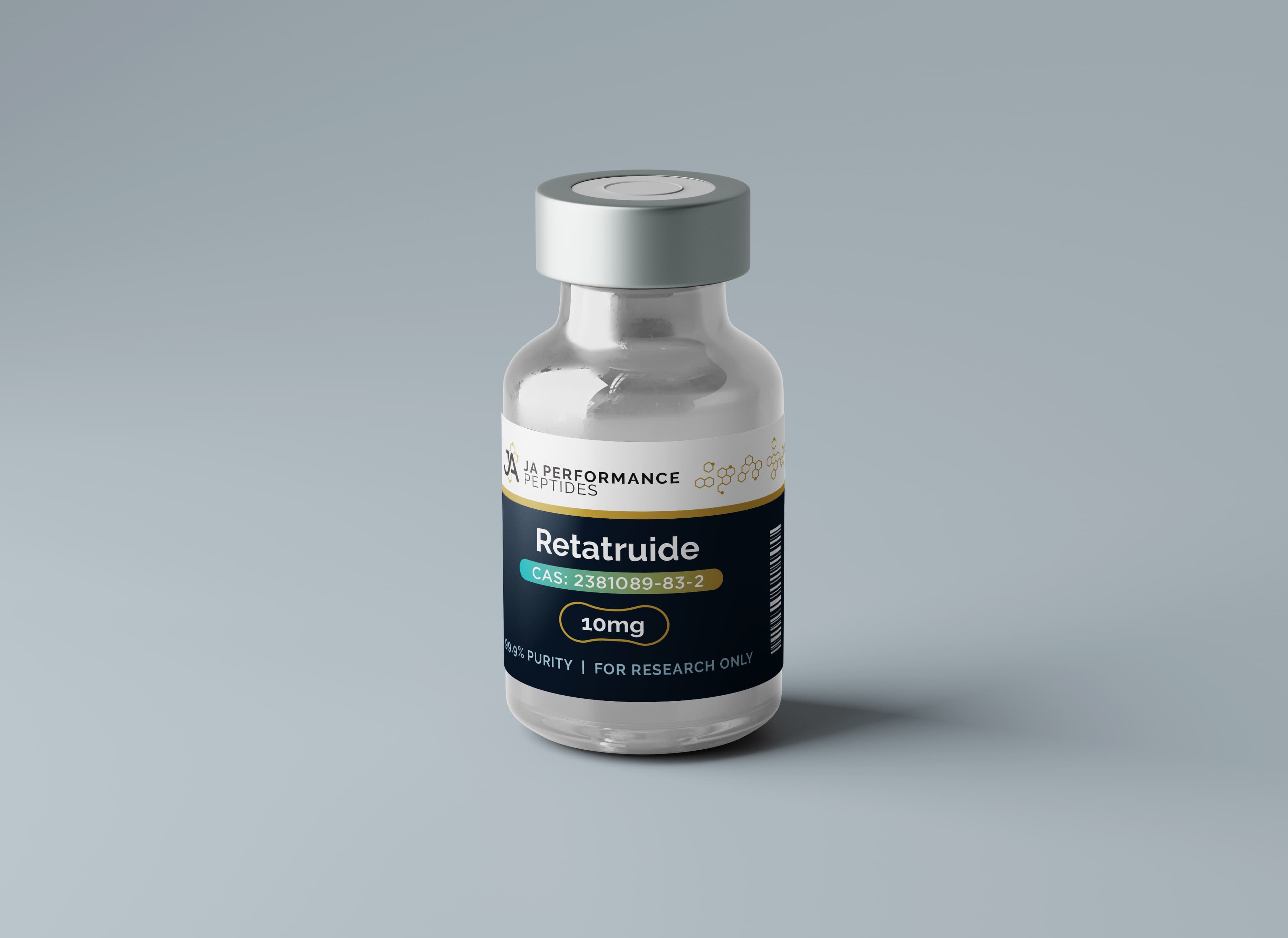
Being a once-weekly compound with a long half-life (~6 days), Retatrutide's cycling in research tends to be structured around dose-escalation schedules rather than on/off cycling. Phase 2 trials used escalating doses over several months.
Research approach: Dose escalation from lower starting doses (1–2 mg weekly) to target doses allows gastric side effects to be managed and avoids receptor saturation at the initial administration.
GHK-Cu
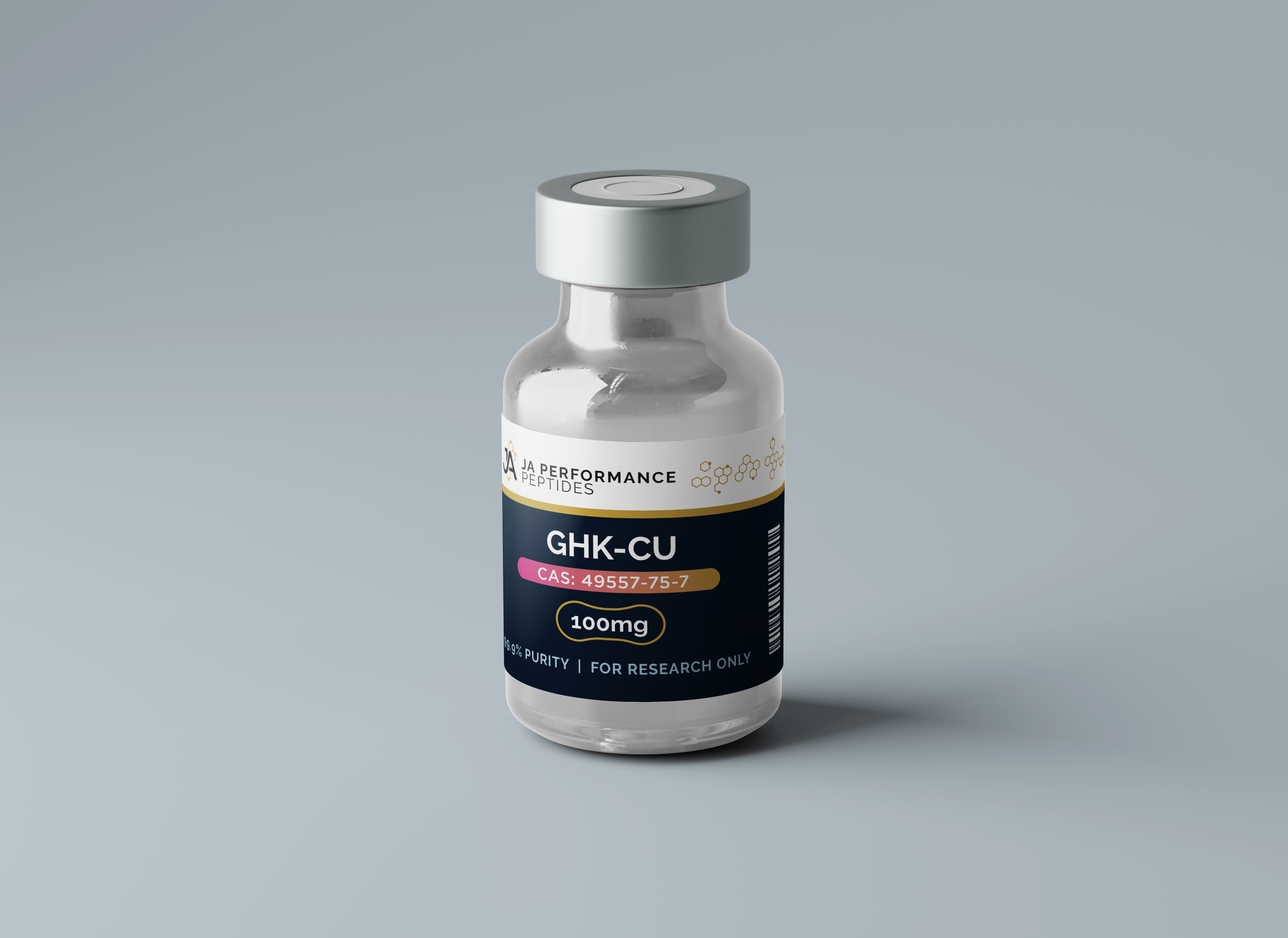
GHK-Cu operates through gene expression modulation rather than receptor agonism, making it less susceptible to classic desensitization. Long-term continuous use has been studied without documented downregulation.
Research approach: Protocols range from weeks to months depending on the specific outcome being studied (collagen synthesis, wound healing, skin remodelling). No strong cycling requirement has been identified in preclinical literature.
MOTS-c
MOTS-c activates AMPK signalling and has been studied in both acute and chronic protocols. Animal longevity studies have used extended administration without documented downregulation.
Research approach: Most studies use defined treatment periods (weeks to months) aligned with the specific metabolic outcome under investigation.
Stack Sequencing
When combining peptides, sequencing decisions matter:
Parallel stacking — running two compounds simultaneously throughout a protocol. Appropriate when mechanisms are complementary and non-competing (e.g., BPC-157 + TB-500 for healing research).
Sequential stacking — completing a protocol with one compound before introducing a second. Useful when you want to isolate individual compound effects before evaluating the combination.
Phase-staggered stacking — running compounds in different phases of a protocol (e.g., Retatrutide for systemic fat reduction followed by Tesamorelin for visceral fat consolidation). Less common but mechanistically rational for specific research questions.
Practical Protocol Planning
Before designing a multi-compound cycling protocol:
1. Define the primary research endpoint (acute injury repair, metabolic change, longevity marker, etc.)
2. Select compounds whose mechanisms are additive or complementary for that endpoint
3. Match protocol length to the expected biological timeline of the endpoint
4. Build in measurement points — blood markers, imaging, or functional assessments — to evaluate response
5. Plan off-periods based on mechanism (GH axis compounds benefit most from structured rest)
The peptide dosing calculator can help with reconstitution math and dose scheduling across a multi-compound protocol. Individual compound guides are available for BPC-157, TB-500, Retatrutide, Tesamorelin, GHK-Cu, and MOTS-c.
Note: All compounds discussed are sold strictly for in vitro and laboratory research purposes. Not for human consumption.