Semaglutide for Weight Loss Research: How the GLP-1 Peptide Works
Semaglutide is the GLP-1 receptor agonist behind the modern obesity research boom. Here's how it modulates appetite, what the trial data shows, and how researchers handle it.
Semaglutide is the peptide that reshaped metabolic research. Originally developed for type 2 diabetes, it became the reference GLP-1 receptor agonist for obesity science after trials showed weight reductions previously seen only with surgery. This guide covers how it works, what the data actually shows, and how it compares to the newer dual and triple agonists.
What Is Semaglutide?
Semaglutide is a synthetic analogue of GLP-1 (glucagon-like peptide-1), a hormone the gut releases after eating. Native GLP-1 breaks down within minutes. Semaglutide's acylated structure binds tightly to albumin in the bloodstream, extending its half-life to roughly 168 hours — about seven days. That is what allows once-weekly administration in research protocols rather than daily dosing.
How Does Semaglutide Work?
Semaglutide activates the GLP-1 receptor, which is expressed in the pancreas, gut, and brain. Its metabolic effects come from several overlapping mechanisms:
- ·Appetite modulation — activates GLP-1 receptors in the hypothalamus, reducing hunger signalling and food intake
- ·Slowed gastric emptying — food stays in the stomach longer, prolonging satiety after meals
- ·Glucose-dependent insulin release — stimulates insulin only when blood glucose is elevated, lowering hypoglycemia risk
- ·Glucagon suppression — reduces hepatic glucose output in the fed state
The combined result in research models is lower energy intake, improved postprandial glucose handling, and dose-dependent body weight reduction.
What Does the Research Show?
In the Phase 3 STEP program, semaglutide at 2.4 mg weekly produced mean body weight reductions in the mid-teens as a percentage of baseline over 68 weeks — several times what earlier GLP-1 agents achieved. Cardiovascular outcome research later reported reductions in major adverse cardiovascular events in participants with established disease. For metabolic researchers, semaglutide is now the benchmark that newer compounds are measured against.
Semaglutide vs Tirzepatide vs Retatrutide
Semaglutide acts on a single receptor. The newer peptides add more targets:
- ·Semaglutide — GLP-1 receptor only
- ·Tirzepatide — GLP-1 + GIP (dual agonist)
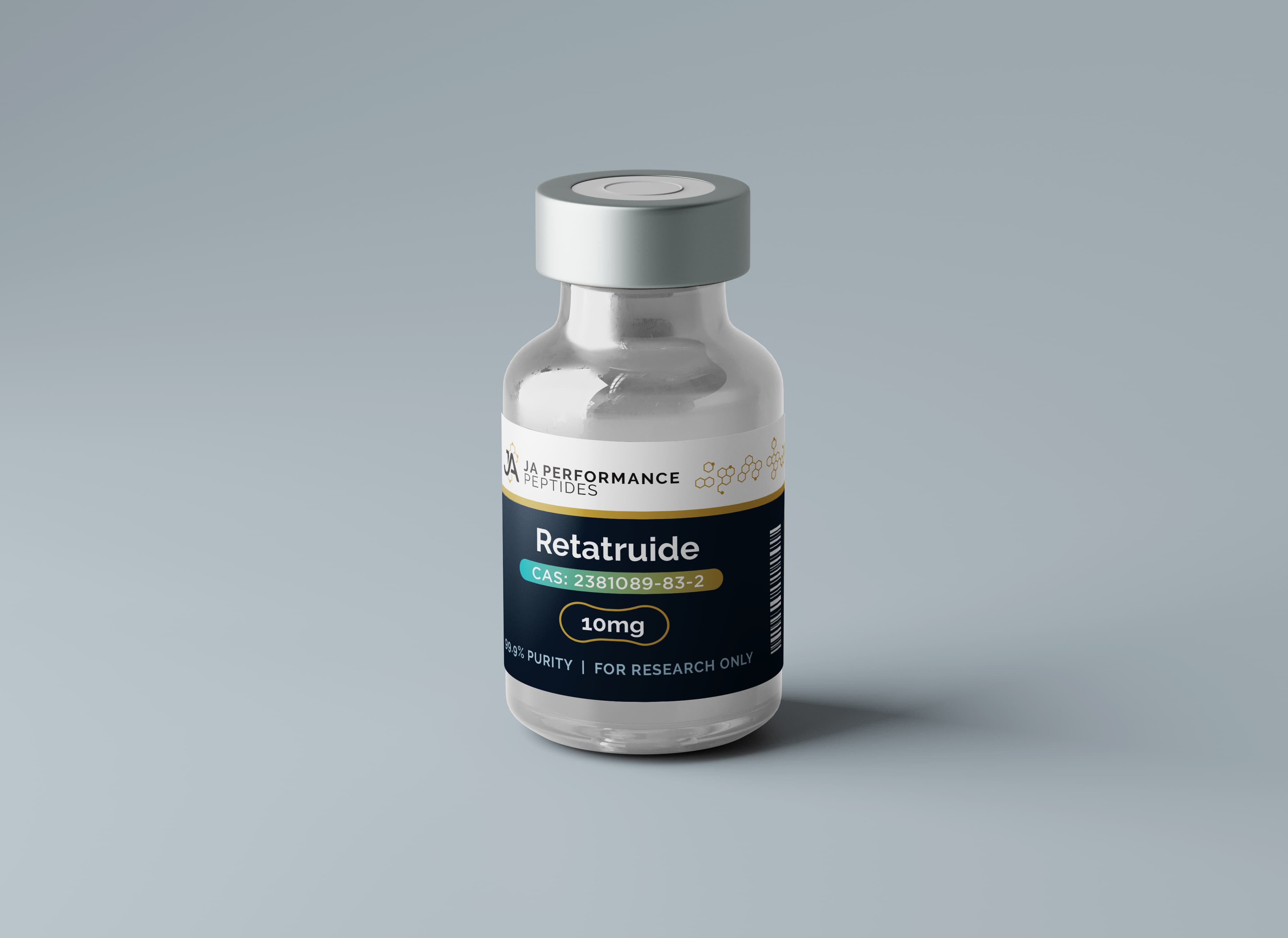
- ·Retatrutide — GLP-1 + GIP + glucagon (triple agonist)
Each additional receptor has produced progressively greater weight reduction in trials. For a full breakdown, see our GLP-1 comparison guide.
Reconstitution and Handling
Semaglutide is supplied as a lyophilized powder. A 5 mg vial is typically reconstituted with about 2.0 mL of bacteriostatic water. Store the powder frozen at -20°C; once reconstituted, keep it at 2–8°C and protect from light. See our reconstitution guide and storage guide for the full procedure, and the dosing calculator guide for concentration math.
Available at JA Performance
Semaglutide is stocked in 5, 8, 11, 15, 20, and 30 mg vials at ≥99% purity (HPLC), verified by independent third-party testing. Browse the full weight loss peptides collection or compare options with Tirzepatide and Retatrutide.
Note: Semaglutide is sold strictly for laboratory and in vitro research purposes. Not for human consumption.